
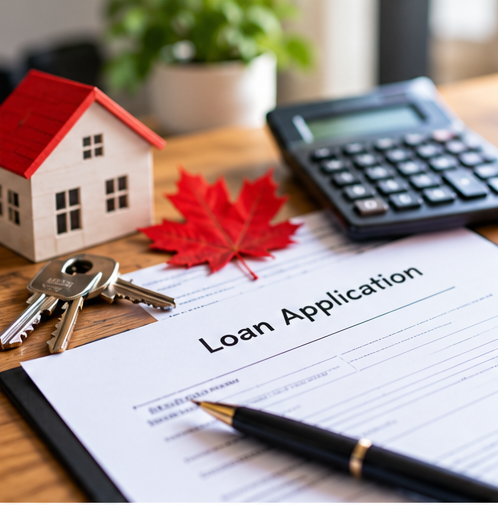
 Applying for financing can seem complicated when borrowers are unsure which documents or personal details a lender will require. Although digital applications have simplified many administrative steps, lenders still need sufficient information to verify identity and evaluate eligibility. Canadians researching online cash loans in Alberta should prepare their financial information before submitting an application. Knowing what documents may be requested can make the process easier to understand while reducing unnecessary delays and helping applicants recognize suspicious requests.
Why Lenders Require Documentation
Financial institutions and other lenders need to establish that applicants are who they claim to be.
Identity verification helps reduce fraud and protects both borrowers and financial service providers.
Lenders also review financial information to assess repayment capacity.
The amount of documentation required can depend on the loan type, borrowing amount, lender policies, and applicable legal requirements.
For example, a traditional personal loan application may involve a more detailed credit assessment than certain small short-term lending products.
However, no applicant should assume that an advertised online process eliminates all verification requirements.
Proof of Identity
Applicants may be asked to provide government-issued identification.
Common examples include a driver’s licence or another accepted identification document.
Some lenders use digital identity verification systems that require applicants to photograph an identification card and complete additional security steps.
The specific documents accepted vary.
Borrowers should always confirm that an application website is legitimate before uploading sensitive identification information.
Identity documents should not be sent to an unknown individual through an unsecured messaging service.
Proof of Income
Income verification is a common part of the lending process.
Employees may be asked to provide recent pay statements, employment information, or bank records showing regular deposits.
Self-employed applicants may need different documentation.
For example, lenders might request tax information, business financial records, or statements showing income received over a longer period.
Other applicants may receive retirement income or other regular payments that the lender considers acceptable.
Each financial institution determines which sources of income meet its eligibility criteria, subject to applicable law.
Accurate income information helps lenders assess affordability and reduces the likelihood of repayment difficulties.
Banking Information
Many online lenders require an active bank account.
Banking information may be used to deposit approved funds or establish a repayment arrangement.
Applicants should understand what authorization they are providing before agreeing to any pre-authorized withdrawal.
A legitimate lending process may include secure account verification, but consumers should be cautious about sharing online banking credentials.
Requests for passwords, one-time security codes, or unusual transfers should be treated as warning signs.
Borrowers should ask for clarification whenever a request seems unnecessary or inconsistent with ordinary financial verification.
Address and Contact Information
Lenders commonly ask applicants to provide a residential address, telephone number, and email address.
This information may be used for identity checks, customer communications, and contractual records.
Some lenders may require proof of residence.
Examples might include an accepted utility bill, official statement, or another document displaying the applicant’s current address.
Applicants should ensure their information is consistent across the documents submitted.
A difference between an old address on an identification card and a current residential address may require additional explanation.
Information About Existing Debts
Some lenders request details about outstanding financial obligations.
These may include credit cards, personal loans, vehicle payments, or other recurring debt commitments.
Such information helps establish how much of the applicant’s income is already committed to repayment.
Borrowers should provide accurate information rather than excluding obligations they consider unimportant.
A realistic assessment of existing debt helps identify whether another loan would create excessive financial pressure.
Organizing Documents Before Applying
Preparing documents in advance can reduce confusion during the application process.
Applicants may find it helpful to review identification expiry dates, confirm employment details, and ensure banking records are current.
When uploading documents, borrowers should follow the lender’s stated requirements.
Files should be legible and contain the requested information without unnecessary disclosure of unrelated personal details.
Consumers should also avoid submitting multiple copies of sensitive documents unless there is a legitimate reason.
Reviewing the Agreement Before Signing
Once an application has been assessed, approved applicants may receive a loan offer.
This document should explain the amount borrowed, applicable interest or fees, payment dates, and total repayment obligations.
It may also describe default consequences, cancellation rights, and other relevant contractual conditions.
Borrowers should read the agreement completely before providing electronic consent.
Having documents ready may make an application more convenient, but understanding the financial commitment remains more important than completing the process quickly.